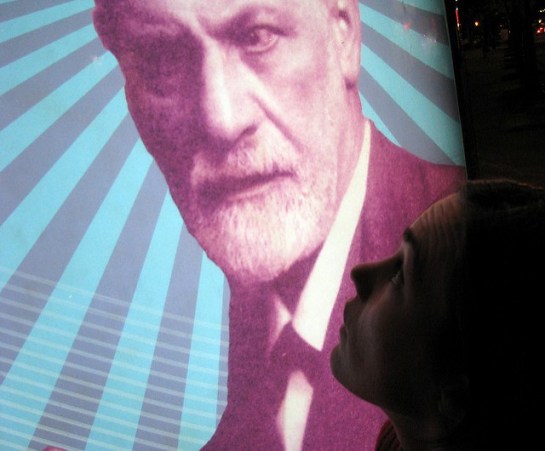
by Mariana Craciun
“I think people have all sorts of fantasies … that [psycho]analysts have certain … special capacities to … see through [them].” – Adam, psychoanalytic therapist
That professions no longer enjoy the relatively uncontested authority they had during much of the twentieth century is no surprise. Medicine has received sustained attention in this regard. Physicians have seen their power threatened as their financial ties to patients are overwhelmingly mediated by third-party payers, while their work diagnosing, treating, and researching disease is increasingly shaped by patients themselves.
In medicine, as in other professional realms, internet-based knowledge-sharing has made it easier for potential clients to attempt to diagnose and solve problems themselves rather than rely on expert “opinion.”
These challenges are shared by practitioners of psychoanalytic therapy, but further exacerbated by their own slippage within the field of mental health. Over the last forty years, psychoanalysis has been progressively displaced from its dominant place. U.S. psychiatry has been challenged by psychopharmacology, alternative talk, and behavioral interventions.
Yet, despite these challenges—and arguably even because of them—psychoanalytic therapists continue to perform and enjoy a level of charismatic authority sometimes assumed to have existed only during the community’s beginnings.
 by Peter Ikeler




 Work in Progress