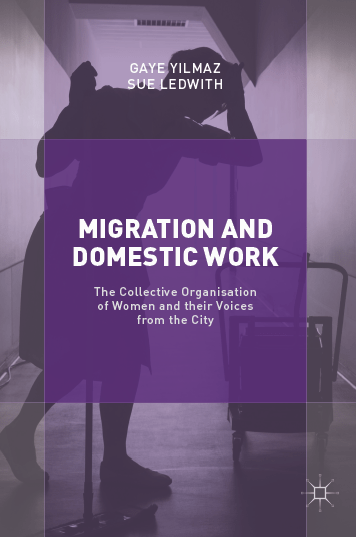
by Gaye Yilmaz and Sue Ledwith
Migrating women may escape conflict, war, poverty, family pressures and responsibilities, and fear of sexual oppression. But they also find themselves caught between the twin ideologies of patriarchy and religion.
This was the case for the 120 women migrants we interviewed for our book, Migration and Domestic Work. All are now domestic workers in London, Berlin or Istanbul. Most were either Muslim or Christian with a handful who were Buddhist, Hindu or Pagan. Twenty atheists had come to disbelief from the two main religions.
These women’s migration decisions, their domestic and working lives, the possibilities for collective solidarity and for joining trade unions, were all influenced by patriarchical gender ideology. When combined with their religion, these pressures were difficult to resist. They were also policed across continents by family: ‘My parents very often phone and check whether I am going to church or fulfill my religious obligations.’
Few of the women in our study positively sought to be a migrant. Yesterday’s refugee is today’s migrant. Regardless of their dreams of a better life, they all finished up far from home, as domestic workers.






 Work in Progress